

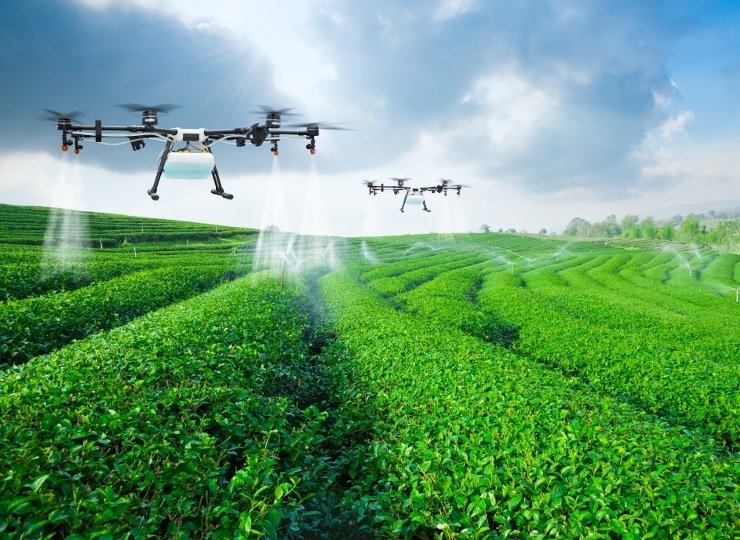
Comprehensive industry analysis of digital agriculture requires systematic examination of market structure, competitive dynamics, value creation mechanisms, and strategic implications for participants across the agricultural technology ecosystem. The Digital Agriculture Market Industry Analysis framework encompasses multiple analytical dimensions collectively illuminating market opportunities and challenges for technology providers, farmers, and supporting stakeholders. Market structure analysis reveals a moderately fragmented competitive landscape with multiple vendor categories competing across overlapping solution domains. The distinction between agricultural equipment manufacturers with integrated technology offerings and specialized agricultural software providers creates interesting competitive dynamics influencing market development. The Digital Agriculture Market size is projected to grow USD 16.55 Billion by 2035, exhibiting a CAGR of 5.14% during the forecast period 2025-2035. This substantial market opportunity attracts both established agricultural industry companies and technology-focused entrants seeking to capture growth in agricultural applications. Industry analysis indicates that farmer buyer power is increasing as alternatives proliferate and decision-making sophistication improves through experience with digital tools. Supplier power among leading technology vendors remains significant based on differentiated capabilities, integration depth, and switching costs associated with accumulated farm data. Barriers to entry are moderate, with accessible cloud infrastructure and agricultural data enabling new entrant development while established vendor scale and distribution create competitive advantages. Substitute threats are limited as digital agriculture addresses needs that manual or traditional approaches cannot efficiently satisfy. Competitive rivalry is intensifying as the market matures and vendors compete more directly for farmer adoption and technology spending. Value chain analysis identifies opportunities for differentiation across technology development, distribution and implementation, farmer support, and data ecosystem orchestration.
Competitive positioning analysis examines how vendors differentiate and compete across the digital agriculture market landscape through technology capabilities, business models, and market approaches. Strategic group analysis identifies clusters of vendors pursuing similar competitive approaches including comprehensive platform providers, specialized application vendors, and equipment-integrated solution providers. Competitive advantage sources vary across vendor types, with platform providers emphasizing breadth and integration, specialists emphasizing domain expertise and application depth, and equipment vendors emphasizing machinery integration and dealer support. Brand positioning varies significantly across the market, with vendors differentiating through innovation emphasis, farmer focus, sustainability positioning, or enterprise reliability. Pricing strategy analysis reveals variation from premium positioning through value-oriented approaches, with movement toward subscription and usage-based models aligning cost with value delivered. Geographic competitive dynamics vary across agricultural regions, with different vendors holding stronger positions in different markets based on crop focus, distribution presence, and cultural alignment. Customer segment competitive dynamics reveal vendor specialization by farm size, crop type, and technology sophistication level. Partnership and ecosystem strategies significantly influence competitive positioning, with integration breadth and complementary relationships creating differentiation and market access. Innovation strategy analysis assesses research and development investment levels, acquisition activity, and technology commercialization approaches. Customer success strategy analysis evaluates farmer retention, technology utilization, and advocacy that influence competitive sustainability through subscription renewal and referral. Go-to-market strategy analysis examines effectiveness of dealer distribution, direct sales, and technology partnership approaches. Professional services strategy analysis considers balance between direct implementation support and partner leverage for farmer technology adoption. Competitive positioning remains dynamic with ongoing shifts based on product development, market execution, and strategic decisions reshaping competitive landscape.
Value creation and capture analysis examines how economic value flows through the digital agriculture ecosystem from technology development through farmer implementation and operational benefit realization. Farmer value creation occurs through yield improvement, input cost reduction, labor efficiency, risk management, and market access enhancement enabled by effective digital agriculture implementation. Technology vendor value capture occurs through hardware sales, software subscriptions, implementation services, and data monetization opportunities within appropriate privacy frameworks. The value distribution between farmers and vendors influences pricing dynamics, adoption economics, and market growth sustainability over time. Total cost of ownership analysis considers technology acquisition, implementation investment, connectivity costs, training requirements, and ongoing subscription or support expenses. Return on investment analysis frameworks attempt to quantify farmer value creation and compare against total costs to assess technology investment merit. Vendor profitability analysis considers hardware margins, software economics, and service revenue alongside customer acquisition costs and retention economics. Equipment dealer value creation occurs through technology sales, implementation support, and ongoing service relationships enhanced by digital agriculture capabilities. Agricultural input supplier value creation occurs through precision application integration and agronomic service enhancement enabled by farm data access. Financial services value creation occurs through improved credit assessment, insurance risk evaluation, and transaction facilitation enabled by digital farm information. Value chain participant value creation extends across the agricultural ecosystem from production through processing, distribution, and retail. The sustainability of value creation depends on continued technology improvement, effective implementation, and alignment between technology capabilities and farmer operational requirements. Value capture sustainability depends on competitive differentiation, farmer retention, and market growth continuation as adoption matures across farmer populations.
Strategic implications of industry analysis inform decision-making for market participants including technology vendors, agricultural industry stakeholders, and farming operations evaluating digital transformation investments. Technology vendors should carefully assess competitive positioning and differentiation sustainability in intensifying competitive environments. Investment prioritization should reflect segment growth projections and competitive dynamics within specific agricultural sectors and geographic markets. Geographic expansion decisions should consider regional agricultural characteristics, competitive dynamics, and market development stage. Partnership strategies should address capability gaps and distribution requirements appropriate for target farmer segments. Acquisition strategies should target capabilities strengthening competitive positioning and accelerating growth in priority market segments. Customer success investment should reflect importance of farmer retention and expansion in subscription-based business models. Agricultural industry participants should evaluate technology strategies considering market positioning and strategic alignment with digital agriculture trends. Farming operations should evaluate technology vendors based on strategic positioning, innovation trajectory, and long-term viability. Selection criteria should include consideration of integration capabilities, data practices, and competitive sustainability. Implementation planning should account for organizational readiness, training requirements, and change management needs influencing success. Ongoing technology management should include monitoring of market evolution and alternative options as the competitive landscape develops. Industry analysis should be updated regularly to reflect market evolution, emerging technologies, and changing competitive dynamics. The digital agriculture market presents significant opportunities alongside meaningful challenges requiring thoughtful strategic approaches across all participant categories. Success will accrue to participants who effectively understand and respond to industry dynamics while maintaining focus on creating genuine value through enhanced agricultural productivity, sustainability, and profitability for farming operations worldwide.
Top Trending Reports -
Italy Web Scale It Market Size
Japan Web Scale It Market Size

 English
 French
 Spanish
 Portuguese
 Deutsch
 Turkish
 Dutch
Dutch
 Italiano
 Russian
 Romaian
 Portuguese (Brazil)
 Greek
Greek